Services

Custom business applications

The flagship. Everything your team does in a day, held in one place instead of spread across a spreadsheet, an inbox and an accounting package. We map how your business actually runs, then build to that, so nobody has to remember the workaround.

A custom business application is one system, built for your business, that holds the work your team does every day. Not a template with your logo on it, and not a platform you bend your process to fit.

When a business is ready for one

Off the shelf software is the right answer far more often than people selling custom software admit. It is cheaper, it is faster to start, and somebody else maintains it. You should stay on it for as long as it fits.

What we typically build

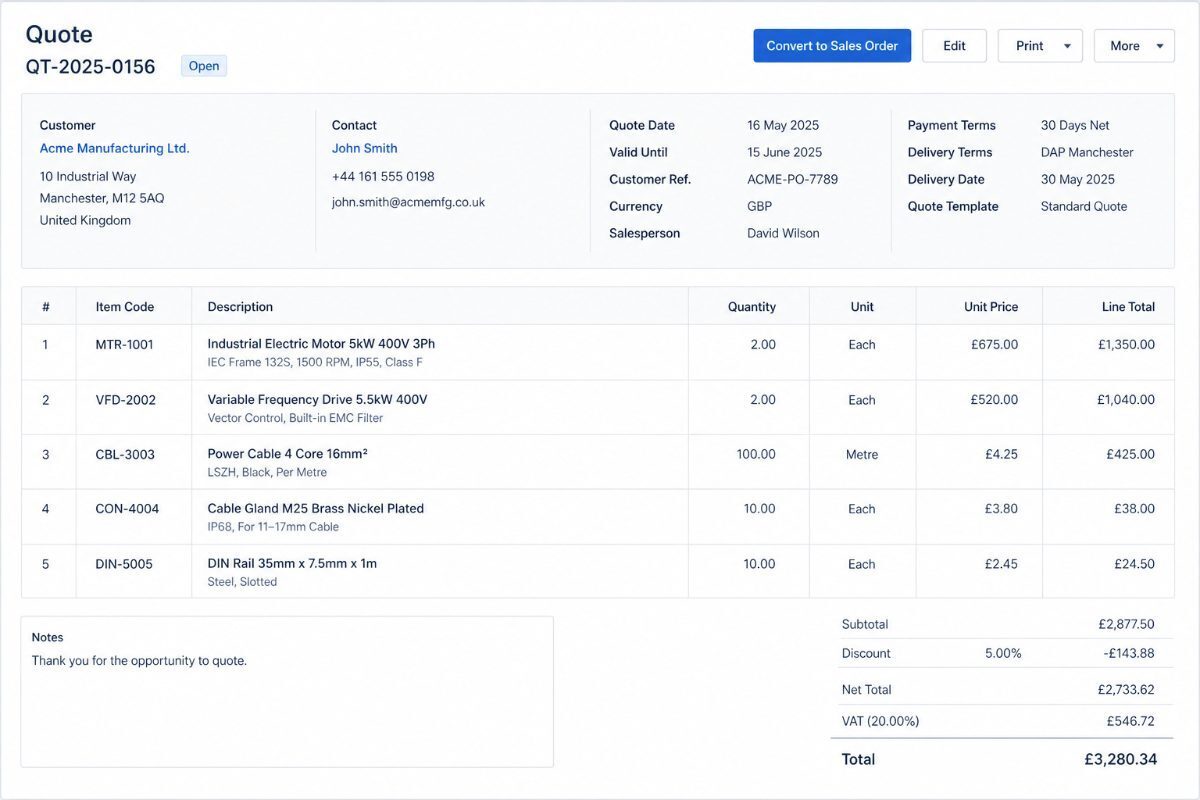
  • Quoting and estimating
  • Job and project management
  • Inventory and stock control
  • Purchasing and supplier management
  • Production scheduling
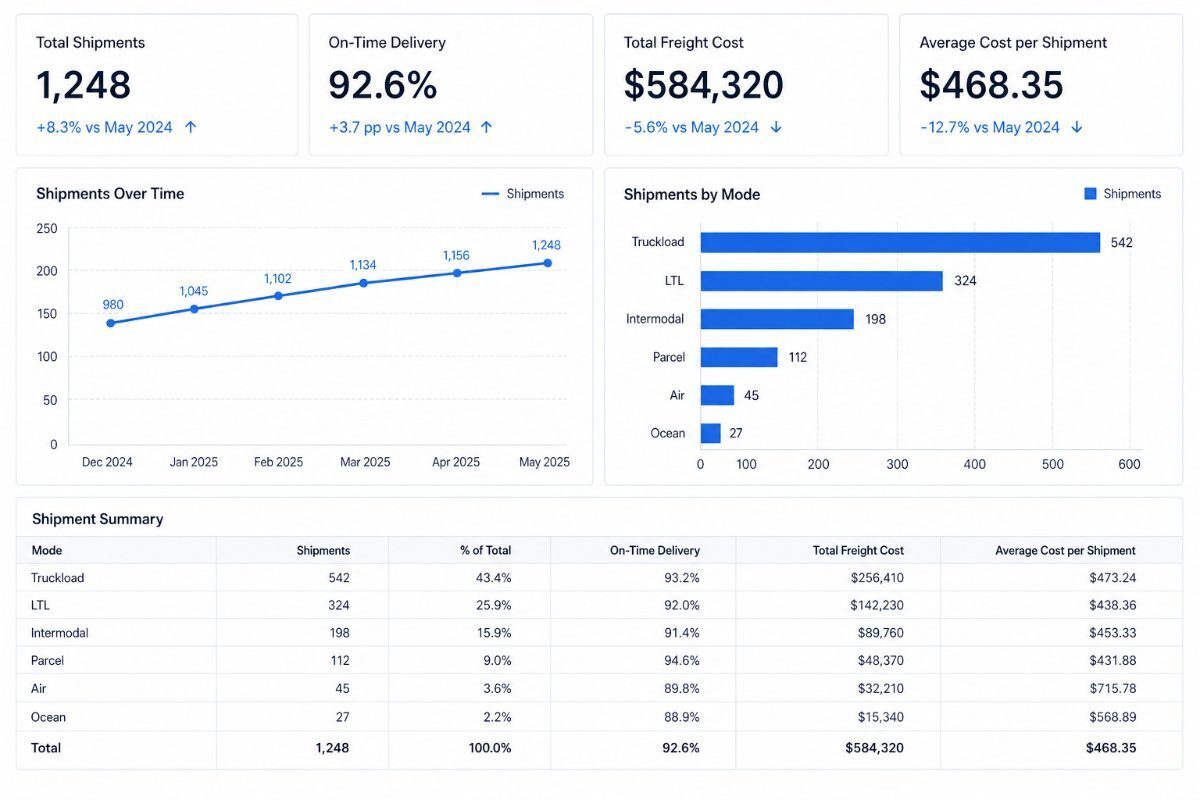
  • Dispatch and freight
  • Customer and supplier portals
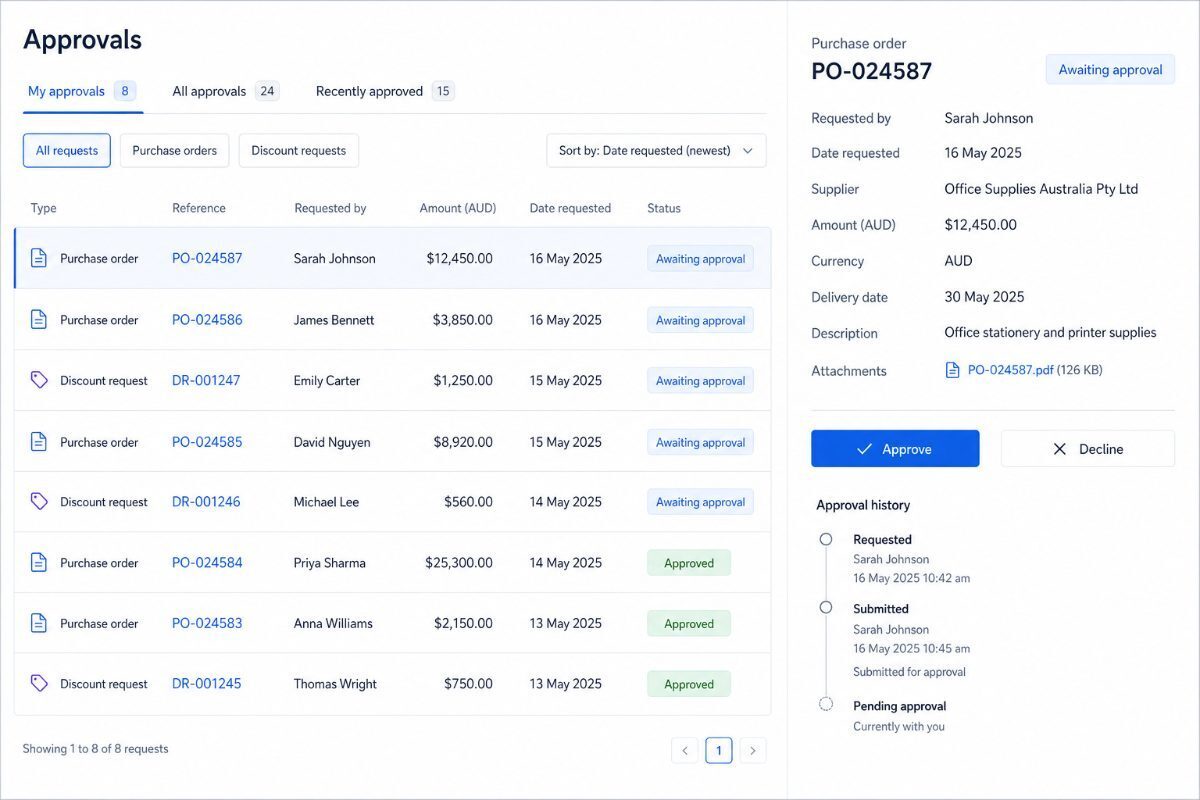
  • Approvals and sign off workflows
  • Reporting and dashboards

What you get, and what you own

Ownership is the question small businesses forget to ask, and the one that costs them most when the relationship ends. Our position is plain.

  • The source code is yours, held in a repository you have access to.
  • Your data is yours, exportable in full at any time in a standard format.
  • The written specification from discovery is yours, including the right to take it elsewhere.
  • Documentation is written as the system is built, not promised afterwards.
  • Hosting is your choice. On our infrastructure, on yours, or with a third party.
  • There is no licence from us and no fee that makes leaving expensive.
  • Replaces the spreadsheet nobody else understands
  • One record of the truth, visible to everyone who needs it
  • Built to your process, including the awkward parts
  • Grows a module at a time as the business changes
FileMaker or Laravel, chosen against the problem
1 of 5
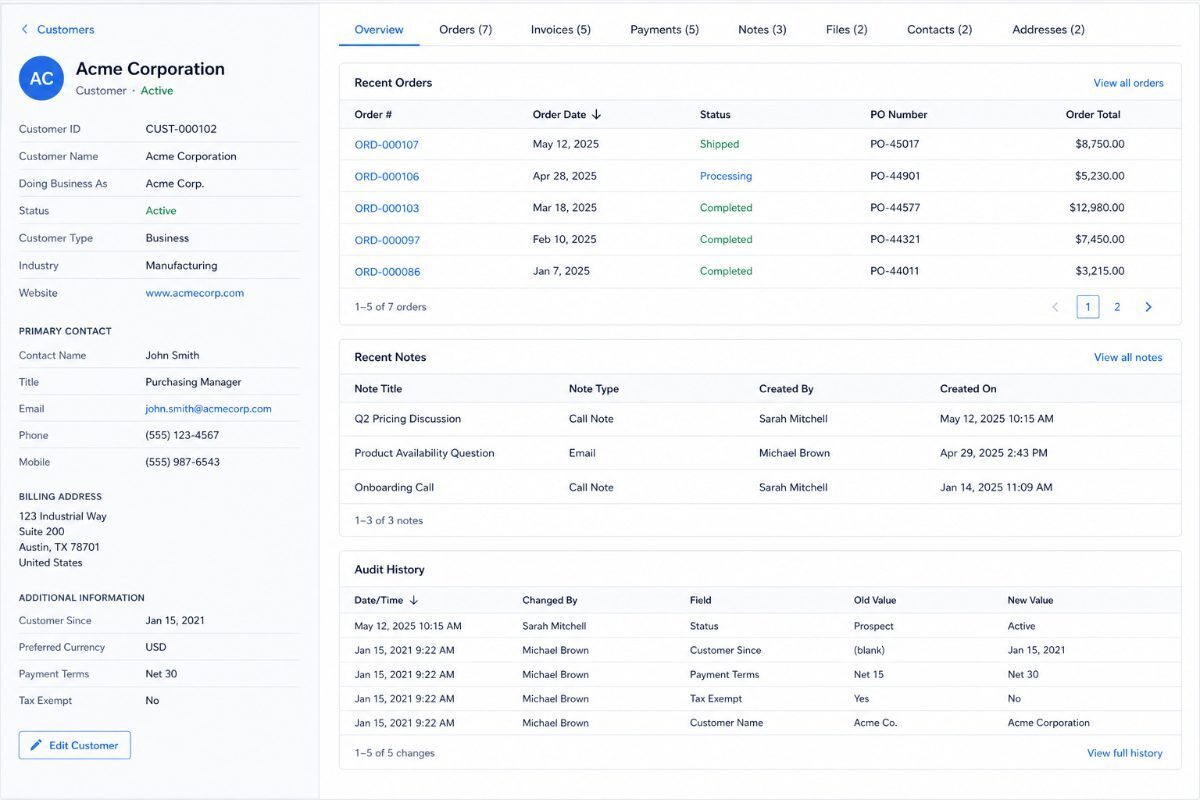
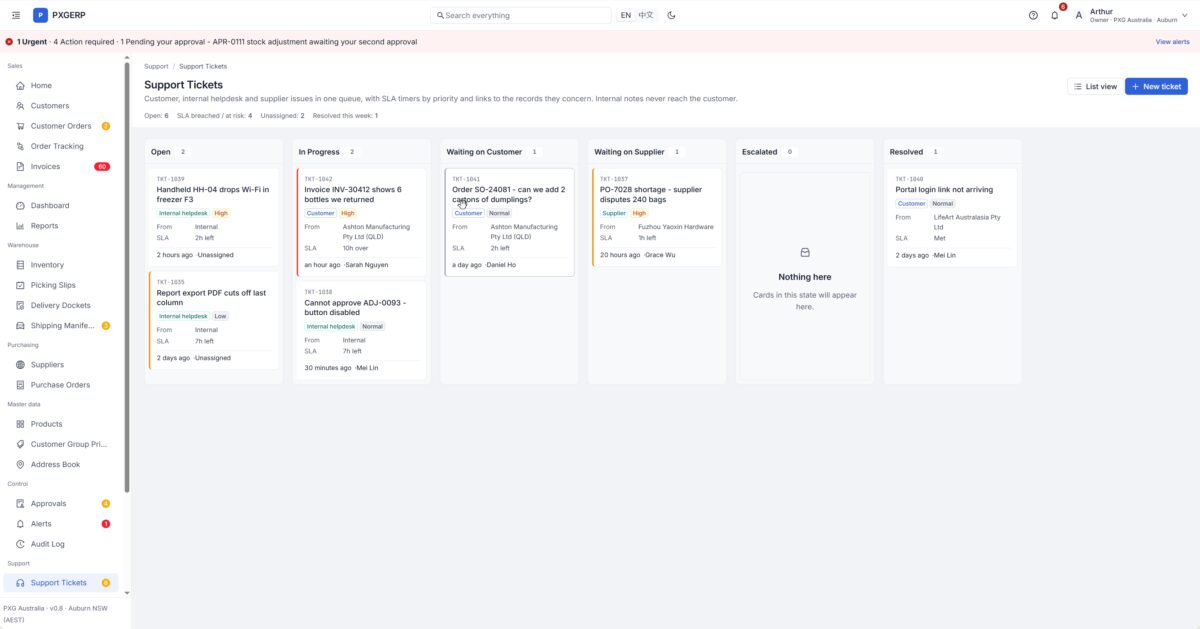
Job management. Open work, due dates and status in one list.

Signs you have outgrown off the shelf software

The point where off the shelf stops fitting is usually not dramatic. It shows up as workarounds: a spreadsheet beside the system, a step that has to be done twice, a report someone rebuilds by hand every month.

  • A spreadsheet sits beside your main system and holds something important.
  • The same information is entered into two systems by two people.
  • You pay per user for a product where most users touch one screen.
  • A report that matters takes more than half a day to produce.
  • New staff take months to learn a process that only exists in someone's head.
  • You have been told that what you want is not possible in your current system.
  • Your process has been changed to suit the software rather than the customer.

How we decide between FileMaker and Laravel

Most firms sell the one platform they know. We work in both, so the choice is made against your problem. This is roughly how it goes.

FileMaker
Laravel
Best suited to
Internal operational systems with complex business logic
Public facing systems, portals and high concurrency
Users
A defined team, typically 5 to 200 named users
Unlimited, including customers and suppliers
Speed of change
Very fast. Changes land in days
Moderate. Changes follow a normal development cycle
Licensing
Per user licence payable to Claris
No licence cost. You pay for hosting
Access
Desktop, iPad and browser
Any browser, any device
We choose it when
The logic is complicated and the audience is your own staff
The audience is outside your business, or scale is uncertain

How we build it

Read the full process
1

Discovery and scope

We sit with the people who do the work and map how the business actually runs, not how the org chart says it runs. You receive a written specification that you own outright, including the right to take it to another developer.

2

Design and prototype

We build a working prototype of the screens your team will use every day and put it in front of them. Changing a prototype is cheap. Changing a finished system is not.

3

Build in phases

Each phase covers one part of the business and is useful on its own. You go live with the first phase while we build the second, so value arrives early and risk stays small.

4

Go live and training

We migrate your data, train your staff in their own workflow rather than in the abstract, and stay close during the first weeks while people settle in.

5

Support and improve

Businesses change and so should the system. You move onto a support plan with a published response commitment, and change requests are quoted before any work starts.

The part that surprised me was how much of the first month was spent on our process rather than on software. By the time anything was built, they understood our business better than some of our own staff.
Mia Chen, General Manager

Wholesale distribution, Sydney

Custom inventory and purchasing system for a wholesale distributor

Monthly stock reconciliation cut from three days to four hours.

Read the case study →

Book a discovery call

Thirty minutes with the person who would build your system. We will ask about how your business runs today, where the manual work sits, and what you have already tried. You will leave with a view on whether custom software is worth it for you, and a rough range for what it would cost. There is no charge and no obligation.

Book a discovery call

Or call 02 7208 8867 during business hours.